Anh Dang's Dissertation Proposal Presentation

"Corpus-based Materials Implementation in Writing Classrooms: Teachers' Experiences, Perceptions and Training Initiatives"

When
8:30 – 9:30 a.m., Sept. 25, 2023

Dissertation Proposal Title: Corpus-based Materials Implementation in Writing Classrooms: Teachers' Experiences, Perceptions, and Training Initiatives

Dissertation Committee Members: Dr. Shelley Staples (Chair), Dr. Jon Reinhardt, Dr. Chris Tardy, Dr. Gail Shuck (Special External Member, Boise State University)

Abstract: Over the last few decades, the tools of corpus linguistics have allowed teachers to engage learners in an examination of language patterns and language use through authentic texts and from there assist learners on appropriate language uses in different contexts, registers and genres (Friginal, 2018; Reppen, 2010). Previous research has shown that corpus-based analysis and data-driven learning, also known as the direct use of corpora in language teaching (DDL; Johns, 1991), can effectively guide students to understand language patterns across texts and grammatical features typically used in different genres (Boulton & Cobb, 2017; Flowerdew, 2005). Many studies (Chang, 2014; Luo, 2016; Tono et al., 2014) testing the effectiveness of DDL materials use a teacher/researcher (or a team of experts) as the creator and deliverer of the materials. Thus, it seems to be that creating and presenting DDL materials have mostly been done by researchers and teachers who already have years of experiences using corpus linguistics in their own practices (Callies, 2019; Chambers, 2019; Leńko-Szymańska, 2014; Mukherjee, 2004; Poole, 2022; Tribble, 2012), yet, the question remains on how DDL can be used more widely and effectively by the majority of teachers, who might not be as well-versed in corpus methodologies.

The goal of this three-article dissertation project is to respond to the issues and gaps in how instructors are involved in the process of receiving training, designing and implementing corpus-based instructional materials in their own teaching contexts, focusing on namely: 1) establishing a systematic review on teachers’ engagement with corpus-based instructions; 2) analyzing teachers’ experiences and perceptions of corpus-based materials implementation in second language writing (SLW) classes; and 3) investigating whether a PLC training model can foster teachers’ development of DDL understanding and implementation in SLW classrooms.

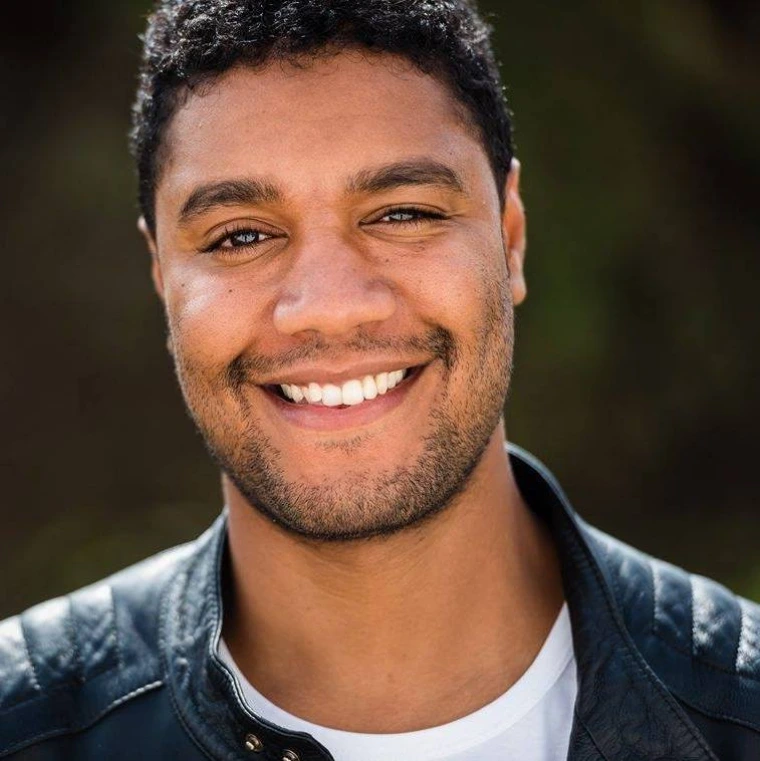
Federico Fabbri

Director of the Elementary Language Program in Romance Languages
University of Michigan - Department of Romance Languages and Literatures
Ph.D.
Second Language Acquisition and Teaching
2023
Image
picture of Federico Fabbri

SLAT Qualitative Research Workshop

An introduction to qualitative research methods in relation to SLA-related topics

When
2:30 – 4:30 p.m., Nov. 30, 2023

This in-person workshop will be an introduction to qualitative research methods in relation to SLA-related topics. The workshop will cover how qualitative research engages with the relational, how to consider the ways that positionality influences data collection and analysis, and more! 

The location for the workshop will be posted here closer to the date of the event.

Facilitator: Dr. Janice McGregor 

Dr. McGregor is a faculty member in the Department of German Studies and SLAT. Her research projects draw on lived experiences with identity, authenticity, and multilingualism and center around three interrelated strands: Language (learning) ideologies and learner beliefs, culture and intercultural learning, especially in study abroad, and qualitative research methods in German applied linguistics. 

Hui Wang's Dissertation Proposal Presentation

"Enhancing Second Language Writing Skills With Gamified Corpus-Based Materials"

When
8:30 – 9:30 a.m., Sept. 18, 2023

Dissertation Proposal Title: Enhancing Second Language Writing Skills With Gamified Corpus-Based Materials

Dissertation Committee: Dr. Shelley Staples (Chair), Dr. Jon Reinhardt, Dr. Chris Tardy


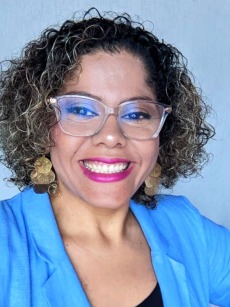
M'Balia Thomas

Associate Professor
University of Arizona - Department of English, English Applied Linguistics
Ph.D.
Second Language Acquisition and Teaching
2014
Image
picture of M'Balia Thomas

Onur Ural's Dissertation Proposal Presentation

"An Investigation of the Digital Competence of Language Teachers in K-12 and University Settings"

When
12:15 – 1:15 p.m., Sept. 18, 2023

Dissertation Proposal Title: An Investigation of the Digital Competence of Language Teachers in K-12 and University Settings

Dissertation Committee: Dr. Suzanne Panferov Reese (Chair), Dr. Betul Czerkawski, Dr. Chris Tardy

Canceled for today: SLAT Publishing and Presenting Workshop

How to prepare for the publishing process

When
3 – 5 p.m., April 4, 2024

Today's workshop has been postponed for unexpected health reasons. We will confirm the new date and time for the workshop within the next week. Please contact GIDP-SLAT@arizona.edu with any questions.


Dr. Ana Carvalho will be facilitating the workshop this year, and she’ll focus on what students should prepare for when it comes to publishing, what types of materials to publish, demystifying the publishing (and preparing for publishing) processes, how to prepare publication drafts for presenting at conferences, and more. This workshop is open to all SLAT major and minor students who are interested in attending for the first time, or who have attended in the past and want a refresher or clarifications. 

Dr. Carvalho is a professor in the Department of English and Portuguese and affiliated with SLAT and Linguistics. Her work has been published in several journals and books, and she will be a wonderful resource and contact to provide information and guidance on the publishing processes.

Please make sure to register for the workshop through this form: https://forms.gle/xUsX1YTTxBTrr4JV8

Giulia Negretto's Dissertation Proposal Presentation

"Teaching in a Material World: A Critical, Multimodal Analysis of GTAs Materials Use in the Spanish Classroom"

When
9 – 10 a.m., Sept. 18, 2023

Dissertation Proposal Title: Teaching in a Material World: A Critical, Multimodal Analysis of GTAs Materials Use in the Spanish Classroom

Dissertation Committee: Dr. Suzanne Panferov Reese (Chair), Dr. Dwight Atkinson, Dr. Beatrice Dupuy, Dr. Nick Ferdinandt

Abstract: The proposed research is a qualitative, classroom-based case study focusing on Graduate Teaching Assistants’ (GTAs) use of materials in the Spanish language classroom.

Language learning and teaching materials (LLTM) are central, rather than peripheral, to how GTAs are socialized into teaching a language, and in what takes place in the language classroom. Often graduate student-instructors are provided with rigid syllabi, textbooks, and/or pre-existing materials for use in their classes. However, GTAs still use materials in creative and idiosyncratic ways, which may result in unpredictable language teaching and learning dimensions. By adopting sociomaterialism (Fenwick, 2015; Pennycook, 2018) as a paradigmatic orientation, the definition of materials expands to include a wider variety of phenomena, such as physical entities, texts, environments, signs, and technologies (Guerrettaz et al., 2021).

I will investigate how GTAs adopt, appropriate, and respond to materials based on contextual factors including their own views and understanding of language and culture(s), as well as institutional demands that inform their teaching practices in the Spanish language classroom at the University of Arizona. In particular, what materials and knowledge do GTAs plan to use in their teaching; how do they use these; and how do they make sense of what goes on in their classrooms?

The study takes a grounded approach to understanding GTAs’ teaching experiences in situ through critical discourse analysis of interviews and multimodal interactional analysis of classroom video recordings. The goal is to identify areas for improvement for language program administrators in supporting GTAs in their training and to offer suggestions for enhancing current GTA training models toward the development of critical language teachers, aware of how they can make the most out of their material world.

Image
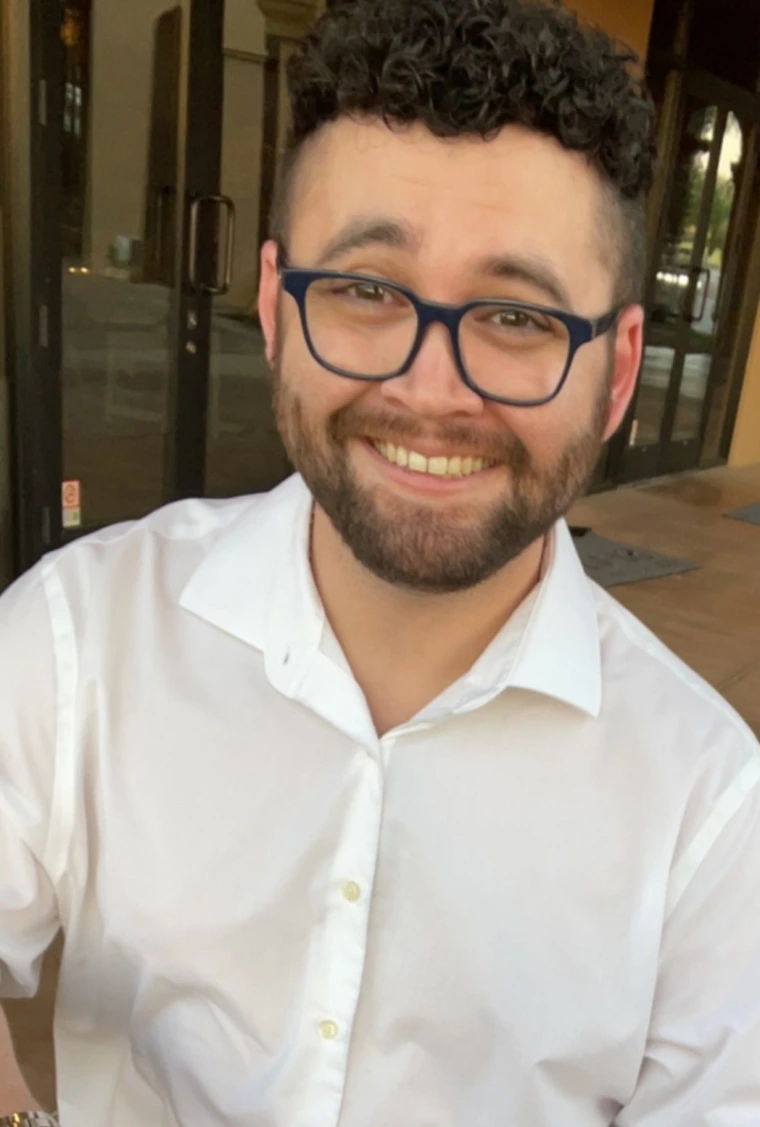
photo of Giulia Negretto